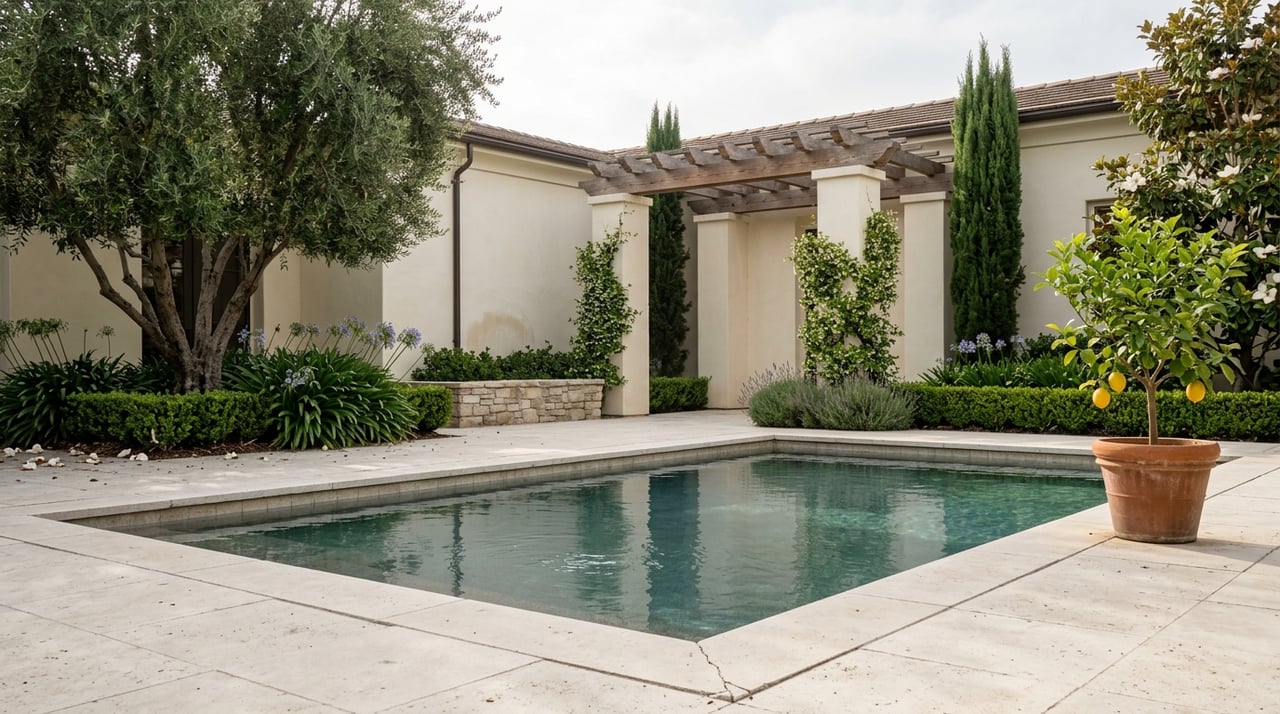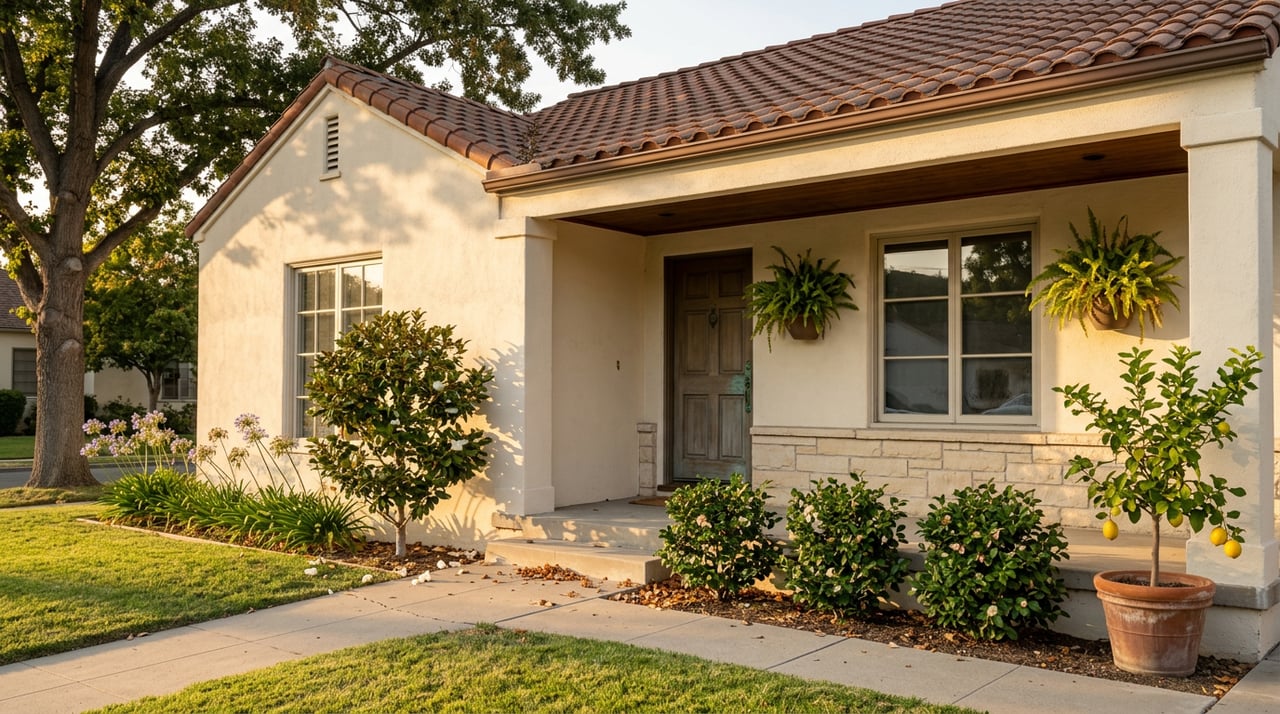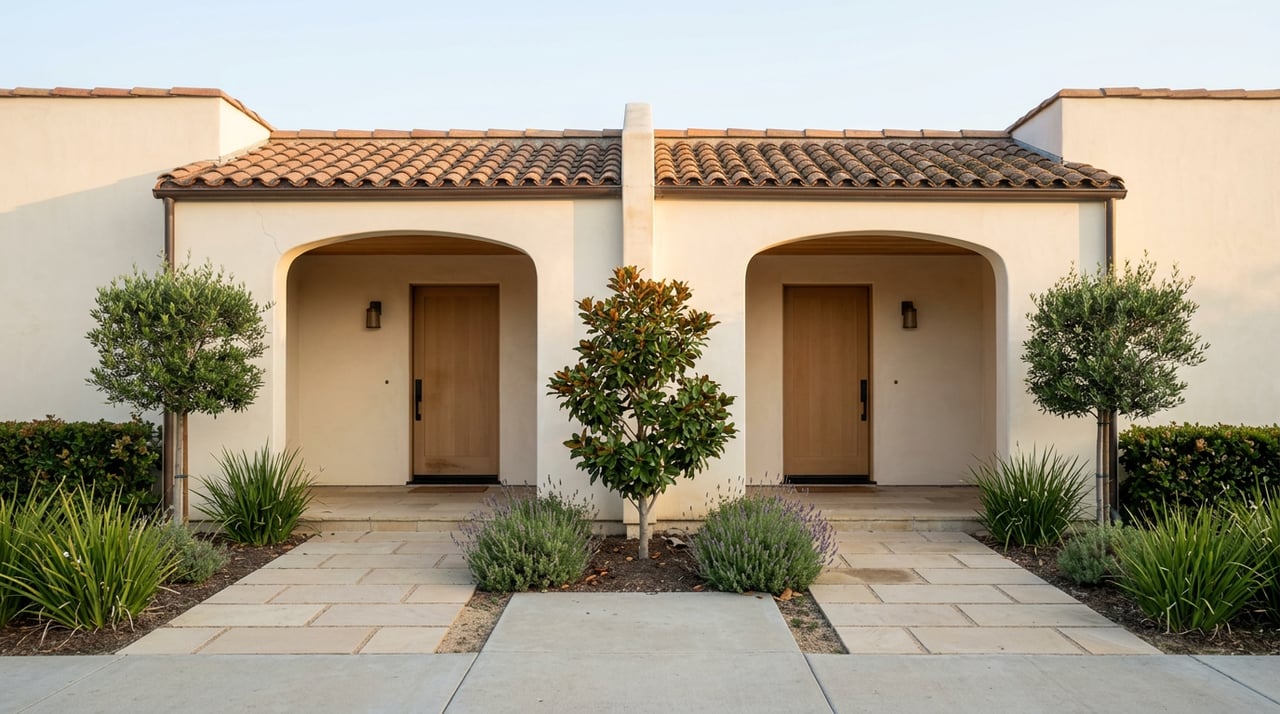
Two duplexes come on the market a few blocks apart in Santa Monica, built the same year, same square footage, same style of thirties-era stucco. One closes at what the seller expected. The other closes twenty percent lower, and the seller never quite understands why until an agent explains it after the fact. The difference wasn't the kitchen or the roof. It was one date on a permit record: April 10, 1979.
If your property in Santa Monica received its certificate of occupancy before that date, it falls under the city's Rent Control Law, and that single fact does more to set your sale price than almost anything else on the listing sheet. Most owners think of rent control as a landlord issue, something that shows up in the annual increase notice and not much else. For a seller, it's the mechanism that decides which buyers even look at your property, and how much they're willing to pay once they do.
Why the buyer pool splits in two
A Santa Monica duplex or small apartment building covered by rent control does not sell into one market. It sells into two, and they behave nothing alike.
The first is investors who buy the building with its tenants and its current rent roll intact. They underwrite the deal on the income the property actually produces today, not on what a vacant unit might rent for. Because Santa Monica's rent control law caps how much rent can rise even between the same tenant's lease years, and because vacancy decontrol only resets the rent when a unit actually turns over, an occupied rent-controlled unit is worth less to this buyer than an identical vacant one. That gap shows up directly in the offer.
The second buyer pool wants the building empty. These are usually owner-occupants converting a duplex to a single-family home, or developers planning to redevelop the lot. To get there, a seller or buyer typically has to use the Ellis Act, California's mechanism for removing a property from the rental market entirely. That path is legal and well established, but it is neither quick nor free, and the cost of using it is the number most sellers never price into their expectations.
What clearing a building actually costs
The Ellis Act requires the owner to file a notice of intent to withdraw the property from rental use with the Rent Control Board, then serve formal notice on every tenant. Tenants are entitled to at least 120 days before they have to move, and elderly or disabled tenants can be entitled to as much as a year. During that entire window, tenants keep paying rent and keep every other right they had before the notice went out.
Then there's the payment itself. As of early 2026, base relocation payments in Santa Monica run roughly $23,000 to $24,000 per unit, with additional amounts required for elderly tenants age 62 and older and for tenants with disabilities. On a small four-unit building with a mix of tenant types, that math alone can run past $100,000 before a single dollar of construction or carrying cost is spent. On a ten-unit building, total relocation costs can clear a quarter million dollars. These figures move periodically, so any owner weighing this path should confirm the current numbers directly with the Rent Control Board before running the math on a specific building.
That is the real choice hiding behind every Santa Monica multifamily listing: sell into the investor pool at a discount tied to the existing rent roll, or spend months and tens of thousands of dollars per unit to sell into the owner-occupant pool at a number closer to vacant market value. Neither path is wrong. The problem is deciding which one you're actually pricing toward before the listing goes live, not after the first round of offers comes in low.
Sell with tenants in place | Clear the building first (Ellis Act) | |
|---|---|---|
Buyer type | Investors underwriting the current rent roll | Owner-occupants, single-family conversions, redevelopment |
Price effect | Offers commonly run 15 to 25 percent below vacant-equivalent value | Closer to full market value, net of removal costs |
Timeline before close | Standard escrow; tenants convey with the property | Add a minimum 120-day notice period, longer for elderly or disabled tenants |
Direct seller cost | None beyond ordinary closing costs | Relocation payments of roughly $23,000 to $24,000 per unit, plus add-ons |
Disclosure load | RSO registration status, current Maximum Allowable Rent history | Same, plus proof of Ellis Act filing and notice compliance |
The paperwork a standard disclosure packet doesn't cover
Every California sale requires a Transfer Disclosure Statement and a Natural Hazard Disclosure. A Santa Monica sale covered by rent control adds a layer most out-of-state buyers, and more than a few local ones, don't expect: the property's Rent Control registration status and its Maximum Allowable Rent history for every unit.
The Rent Control Board sets a general adjustment every year, and the number for 2026 is 2.6 percent, effective September 1, 2026, based on the board's own published formula. That adjustment carries a ceiling of $70 a month for any unit with a current Maximum Allowable Rent of $2,674 or above. Below that threshold, tenants get the full 2.6 percent. Above it, the increase is capped in dollar terms rather than percentage terms. A buyer's underwriting depends entirely on knowing where each unit in your building falls relative to that line, because it determines how quickly rents can legally climb toward market rate after closing.
Owners also carry an annual registration fee, set at $240 per unit for the 2026 to 2027 fiscal year. Half of that, $10 a month, can be passed through to tenants with proper notice. It's a small number on its own, but it's one more line item a careful buyer's team will check against the seller's disclosure to confirm the building has been compliant year over year. A gap in registration history is the kind of thing that surfaces in escrow and slows everything down.
The condo conversion path almost nobody uses correctly
Santa Monica has its own mechanism for turning rent-controlled apartments into individually owned condominiums, created by voters through the Tenant Ownership Rights Charter Amendment, generally known as TORCA. Under TORCA, a building owner can pursue conversion, but only if a sufficient share of tenants sign on and agree to purchase their own units, and only after tenants receive a required notice and information packet well in advance of any signature gathering.
It sounds like a clean alternative to the Ellis Act. In practice, it rarely worked that way. A later evaluation of the program found that only a small share of eligible tenants, estimated at somewhere between roughly 7 and 12 percent depending on the analysis, actually ended up purchasing their units. Most conversions under TORCA still resulted in tenants moving out rather than buying in. That history matters for any seller weighing this route today. It's a legal path, and it still exists on the books, but it isn't the shortcut it appears to be on paper, and a seller counting on tenant buy-in as a smooth exit should treat that number as a planning assumption, not a guarantee.
Where this leaves a seller today
The starting question on any Santa Monica multifamily listing isn't what similar buildings sold for last quarter. It's what year your certificate of occupancy was issued, and if the answer is before April 10, 1979, the next question is which buyer pool you're actually pricing toward. Get that decision right before the sign goes up, and the disclosure packet, the pricing strategy, and the timeline all follow from it. Get it wrong, and you find out the hard way, the same way the seller of that second duplex did, after the offers come in twenty percent light and nobody can quite explain why.
If you're weighing whether to sell a Santa Monica duplex or small apartment building with tenants in place, or whether the numbers support clearing it first, Tracey Kardash works these transactions alongside the Rent Control Board's current figures, not last year's. Let's Connect before you price the listing, not after the first round of offers comes in.