Wondering what “Glassell Park style” actually looks like once you start touring homes? You are not alone. This Northeast LA neighborhood does not fit into one neat architectural box, which can make your search feel exciting but also a little harder to decode. The good news is that once you understand the main home styles and how the hillside setting shapes them, it becomes much easier to spot what fits your lifestyle. Let’s dive in.
Glassell Park has layered home styles
Glassell Park is best understood as a neighborhood with multiple architectural eras, not a single signature look. SurveyLA traces the area’s early subdivision to 1905, with most of Glassell Park annexed to Los Angeles in 1912 and the remainder in 1916.
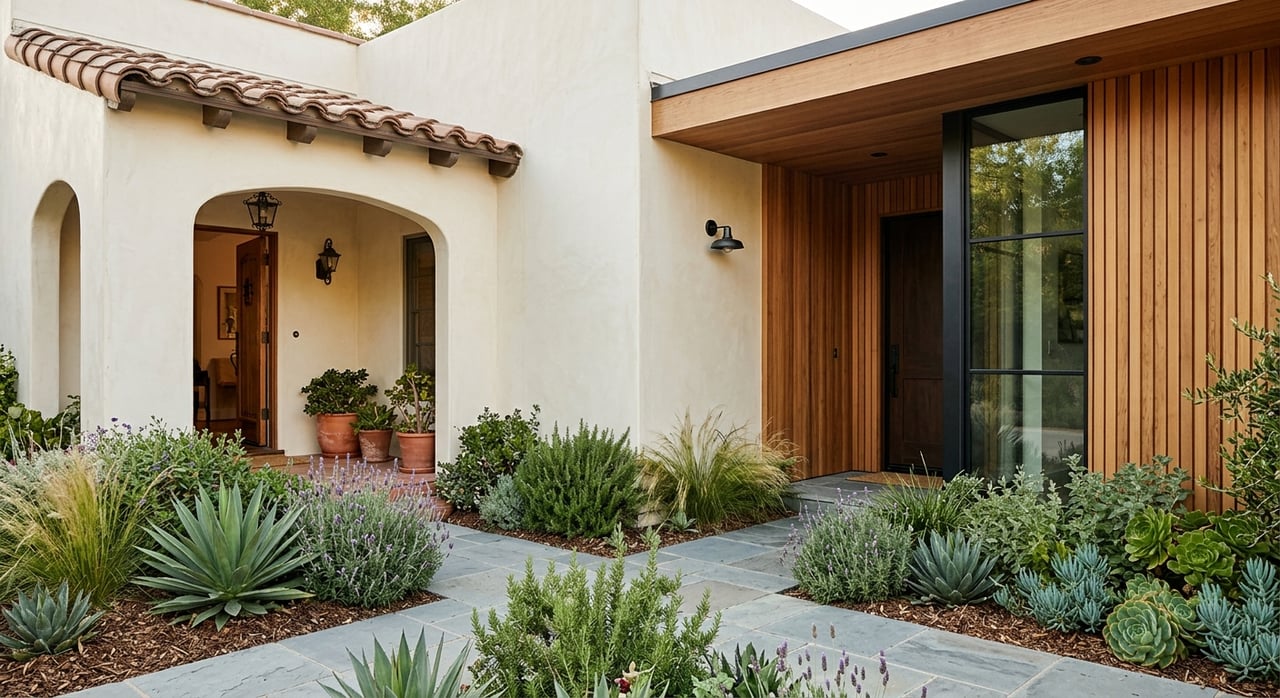
That history helps explain why you may see modest early homes, later postwar influences, and newer infill all within the same general area. SurveyLA also notes that early housing here was built on small lots for working- and middle-class households, with styles including American Foursquare, Craftsman, Spanish Colonial Revival, Mediterranean Revival, and American Colonial Revival.
For you as a buyer, that means the neighborhood name alone will not tell the whole story. In Glassell Park, style, lot quality, and condition often matter just as much as location within the neighborhood.
Craftsman bungalows and early homes
Vintage bungalows are one of the clearest early home types in Glassell Park. SurveyLA says Craftsman homes were fairly prevalent in Cypress Park and Glassell Park, although intact examples are comparatively rare today.
The classic Craftsman bungalow usually has one or one-and-a-half stories, a low-pitched gabled roof, wide eaves, exposed rafters, and a deep front porch with tapered columns. In day-to-day living, that often translates to a cozy footprint, a stronger connection to the street, and rooms that feel more defined rather than fully open.
Many of these homes sit on manageable lots instead of large parcels. If you like character and charm, that can be a big plus. If you want a sprawling layout or oversized yard, you may need to be more flexible.
What to expect in older Glassell Park homes
SurveyLA notes that many residential properties in the area have been altered over time. So rather than expecting untouched historic interiors, you should expect a mix of original details, partial updates, and remodels that vary widely from house to house.
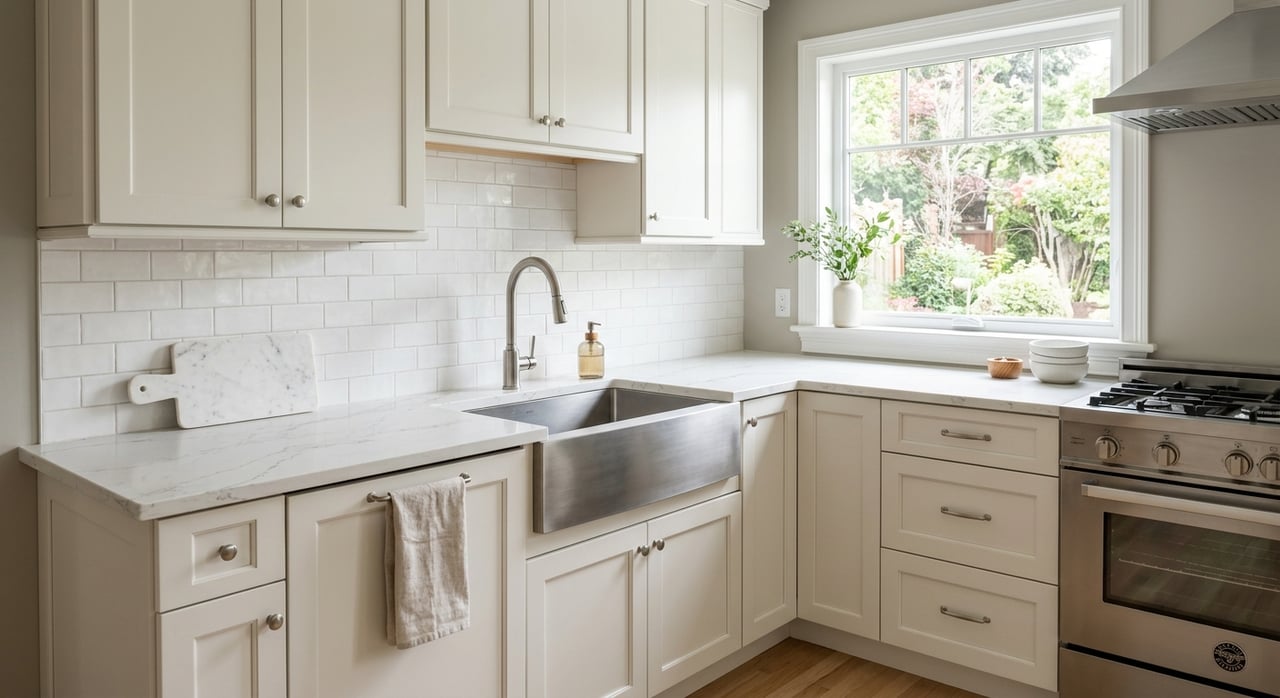
That matters because two homes with similar curb appeal may live very differently once you step inside. One may keep its original segmented floor plan, while another may have an opened-up kitchen or updated systems that change the feel completely.
Why buyers still love bungalow-era homes
Older homes often appeal to buyers who value architectural detail over sheer square footage. Features like porches, defined living spaces, and period character can make a smaller home feel warm and memorable.
In Glassell Park, that charm is part of the neighborhood’s broader identity. It is less about finding a perfect time capsule and more about finding a home where the original style and the current condition work well for your goals.
Mid-century influences and postwar modernism
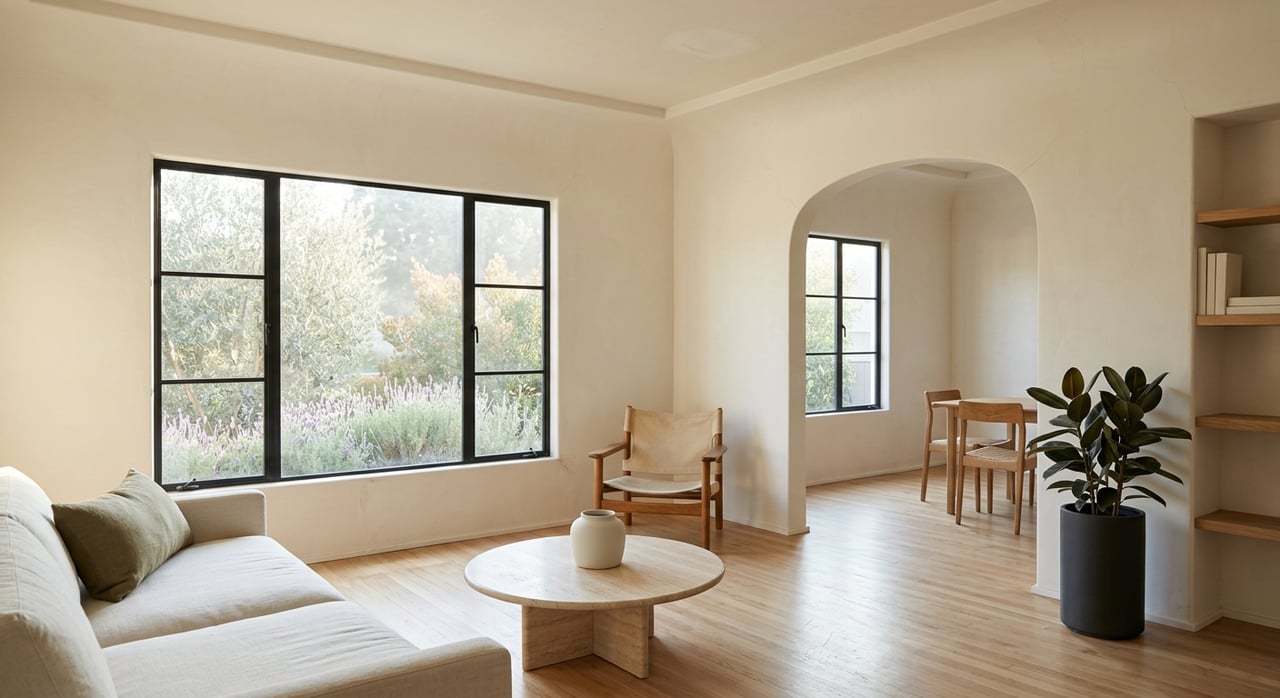
Glassell Park is not known as a pure mid-century tract, but it does sit within Los Angeles’s larger mid-century story. Postwar modern homes are often defined by floor-to-ceiling glass, flat roofs, open floor plans, fewer hallways, flexible rooms, and direct access to outdoor space.
That style often feels brighter and more casual than older cottages. If you are drawn to homes that prioritize natural light, flow, and a stronger indoor-outdoor connection, this category may speak to you.
For many buyers, the appeal is practical as much as visual. A more open layout can feel easier for everyday living, entertaining, or simply making a modest footprint feel more spacious.
How mid-century style changes the experience
Compared with a bungalow, a mid-century-influenced home often puts less emphasis on ornament and more emphasis on layout efficiency. You may notice wider sight lines, better visual connection between rooms, and more direct access to patios or gardens.
In a neighborhood like Glassell Park, those traits can make a home feel especially livable. Even if the architecture is not a textbook mid-century example, the influence often shows up in a lighter, more open, more relaxed interior feel.
Hillside contemporary homes and newer infill
The hillside parts of Glassell Park are shaped as much by terrain as by architecture. The local Specific Plan describes the area through its hills, canyons, mature vegetation, natural open space, panoramic views, and narrow hillside streets.
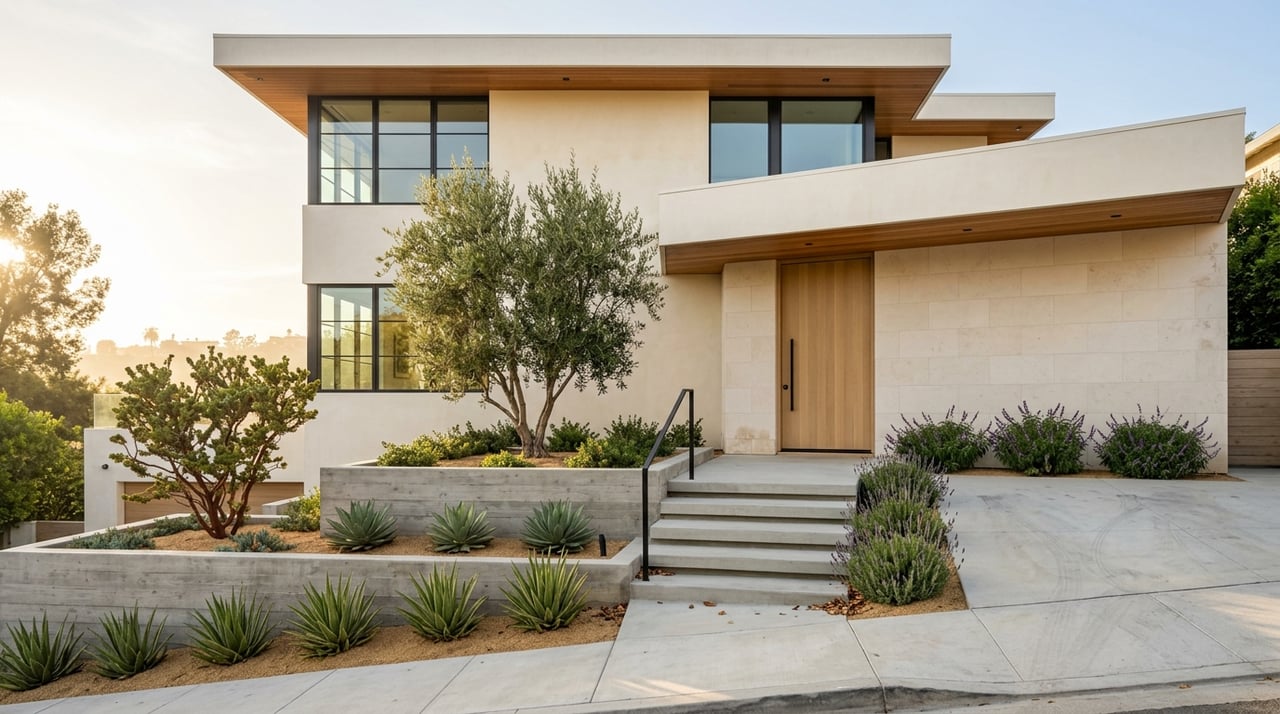
Those conditions affect how homes are designed and how they live. Newer hillside homes often have stepped massing, layered terraces or balconies, and garage-oriented access rather than broad flat lawns.
The planning framework also guides scale and design. Rules in the Mount Washington/Glassell Park Specific Plan limit building height, require stepbacks near the street, call for usable open space and landscaping, and screen garage and parking areas.
Why newer hillside homes feel different
On a slope, vertical living is common. That can mean multiple levels, more stairs, and outdoor space that comes in the form of decks, terraces, and landscaped setbacks instead of one large flat backyard.
The neighborhood’s design standards also encourage more articulation in newer homes. The Cypress Park & Glassell Park CDO allows elements like porches, balconies, recessed windows, curves, and openings to break up long walls, so newer infill often feels more layered than a simple box.
Infill on flatter lots
Recent infill is also prevalent in the flatter parts of Glassell Park. SurveyLA notes this broader pattern, and the local design overlay is intended to guide new buildings and exterior remodels so they contribute to a walkable residential neighborhood while respecting architectural and cultural resources.
For you, this means newer construction may show up in several forms. Some homes may feel clearly contemporary, while others may borrow from older neighborhood patterns in scale or facade design.
What each style means for daily life
The most useful question is usually not which style is “best.” It is which style fits how you want to live.
Here is a simple way to think about it:
Style | Layout feel | Outdoor space | Everyday considerations |
|---|---|---|---|
Bungalow or Craftsman-era home | More compartmentalized | Porch and backyard oriented | Character, smaller rooms, varied updates |
Mid-century or postwar-influenced home | More open and light-filled | Stronger indoor-outdoor flow | Flexible living areas, simpler lines |
Hillside contemporary or newer infill | Often more vertical | Decks, terraces, landscaped setbacks | Stairs, garage access, lot slope |
This is where touring with a clear lens helps. A home can be beautiful in photos, but your day-to-day comfort may depend more on entry access, stairs, yard usability, privacy, and how the layout handles light.
What to watch for on Glassell Park hillsides
In hillside Glassell Park, parking and access can have a real impact on daily life. The Specific Plan and hillside regulations treat parking and street access as important design issues, which tells you how central those details are in this setting.
When you tour, pay attention to things like driveway grade, garage placement, stair access from the street, and how you enter the home with groceries, pets, or kids in tow. These may sound like small issues, but they can shape your experience every single day.
You should also look at how outdoor space is distributed. A hillside lot may offer views and privacy, but the usable exterior area may come in tiers rather than one open yard.
How to narrow your search by lifestyle
If you are early in your search, it helps to match style to priorities before you fall in love with photos alone. In Glassell Park, home style often points to a certain way of living.
You may prefer a bungalow if you want original charm, a welcoming porch presence, and a home that feels rooted in the neighborhood’s earlier history. You may lean toward a mid-century-influenced property if natural light and flow matter most.
If you want a more contemporary feel, a newer hillside home or infill property may be the right fit. That is especially true if you are comfortable with more vertical layouts and outdoor space designed around slope rather than a traditional flat yard.
Why local guidance matters in Glassell Park
Because Glassell Park includes different lot types, elevations, and architectural eras, two homes at a similar price point can offer very different value. Over the three months ending May 2026, the median sale price in Glassell Park was about $980K, compared with about $1.05M for the City of Los Angeles overall.
That does not mean one home is automatically a better buy than another. It means details like condition, layout, lot quality, and hillside usability can have an outsized effect on how a property feels and performs for you.
A thoughtful home search here is about more than style labels. It is about understanding how the architecture, the site, and the neighborhood rules come together in real life.
If you want help translating Glassell Park’s housing mix into a smarter home search, Tracey Kardash offers calm, strategic guidance tailored to how you actually want to live.
FAQs
What home styles are common in Glassell Park?
- Glassell Park includes a mix of early bungalow-era homes, Craftsman houses, and other older styles such as American Foursquare, Spanish Colonial Revival, Mediterranean Revival, and American Colonial Revival, along with later infill and some more contemporary hillside homes.
What is a Craftsman bungalow in Glassell Park?
- In Glassell Park, a Craftsman bungalow usually refers to a one- to one-and-a-half-story home with a low-pitched roof, wide eaves, exposed rafters, and a front porch, often with a more segmented interior layout.
Are newer homes common in Glassell Park?
- Yes. SurveyLA notes that recent infill is prevalent in Glassell Park, and local design rules guide how new buildings and exterior remodels fit into the neighborhood.
What should buyers know about hillside homes in Glassell Park?
- Buyers should pay close attention to slope-related features like stairs, driveway grade, garage placement, street access, and how usable the outdoor space is, since hillside design can shape daily convenience.
Is Glassell Park made up of one architectural style?
- No. Glassell Park is better understood as a layered Northeast LA neighborhood with homes from different eras, lot types, and topographic settings rather than one single architectural identity.
How do Glassell Park home styles affect daily living?
- In general, bungalow-era homes tend to feel more compartmentalized, mid-century-influenced homes tend to feel more open and connected to outdoor space, and hillside contemporary homes often feel more vertical with decks or terraces instead of large flat yards.