If you are thinking about selling in Eagle Rock, your first week on the market can shape everything that follows. Buyers in this neighborhood move quickly when a home feels well priced and well prepared, and they can just as quickly pass when something feels off. If you want to protect your momentum, this guide will help you think through pricing, prep, disclosures, and timing with a clear local lens. Let’s dive in.
Read the Eagle Rock market clearly
Eagle Rock remains a high-value, competitive market, but that does not mean every home can stretch to the highest number in the neighborhood. Redfin reported a median sale price of $1,399,529 in May 2026, up 4.1% year over year, with a median of 33 days on market. Realtor.com showed a similar pace at 34 days on market, a median listing price of $1.45M, and a sale-to-list ratio of 100%.
Zillow’s May 31, 2026 data adds another helpful marker, with an average home value of $1,276,756, a median list price of $1,361,000, 51 for-sale listings, and 17 new listings. These numbers are not identical because they measure different things, but they point in the same direction. Eagle Rock is still competitive, and launch quality matters.
That matters because many homes here receive multiple offers, and some buyers are willing to move fast. In a market like this, overpricing or listing before the home is truly ready can cost you the strongest early interest. A stale listing often becomes harder to reposition later.
Price from comps, not hope
Use micro-location comps
In Eagle Rock, broad Northeast LA averages are too blunt to guide a list price well. Zillow’s nearby neighborhood values show a wide spread, from about $711,331 in Citrus Grove to about $1,522,840 in Rancho San Rafael. Even small boundary changes can shift buyer expectations in a meaningful way.
The strongest comp set usually answers a simple buyer question: what sold nearby, recently, and in similar condition? The California Department of Real Estate advises buyers and sellers to base expectations on what similar properties in the neighborhood have sold for. For you, that means building a pricing strategy around your immediate micro-pocket, not just a zip code or a citywide headline.
Match the property, not just the stats
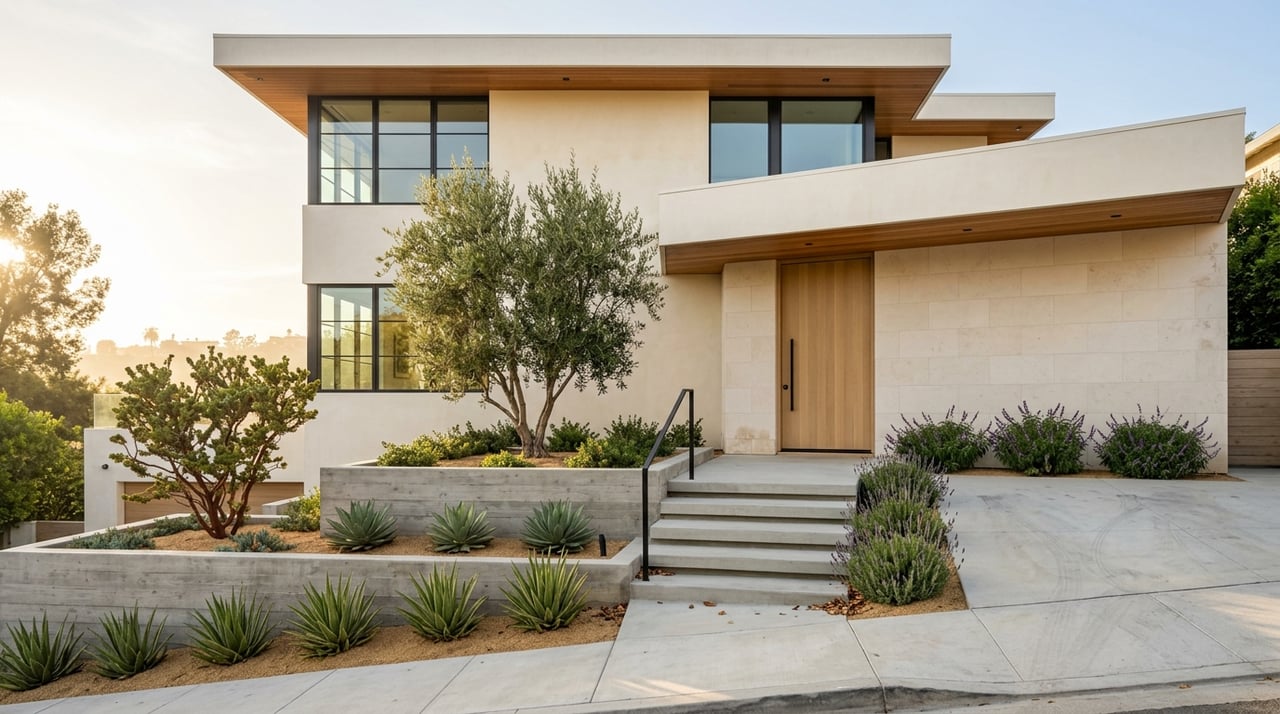
Two Eagle Rock homes with the same bedroom count and square footage may not compete the same way. Topography, lot usability, parking, view, architecture, and whether a home sits on a flatter parcel or a hillside lot can all affect demand. In some cases, those factors matter just as much as the interior finishes.
That is especially true in parts of Los Angeles shaped by hillside rules and added review around grading or geotechnical conditions. If your home has a sloped lot, retaining walls, decks, or hillside improvements, buyers may look more closely at permit history and usability. A pricing strategy should reflect those real-world buyer questions.
Adjust honestly for condition
A renovated sale down the street is only a true comp if your home presents at a similar level. If your house needs paint, has aging systems, or shows visible wear, buyers will notice that immediately. The California Department of Real Estate also notes that sellers disclose physical condition and hazards, and agents visually inspect and disclose readily observable issues.
In practice, that means visible maintenance issues are not just repair items. They are pricing inputs. If the home does not show like the top sale in the area, it should not be priced as if it does.
Prep the home buyers will actually see
Start with visible defects
Before you think about cosmetic upgrades, focus on the issues buyers and inspectors will notice right away. Common high-priority items include roof leaks, drainage concerns, water intrusion, cracked glass, broken railings, unsafe stairs, damaged stucco or siding, worn caulk, and obvious plumbing, electrical, or HVAC problems.
In a neighborhood where homes can move in about a month, visible defects can do more damage to your final result than skipping a trendy update ever will. Buyers often read deferred maintenance as a sign that bigger issues may be hiding underneath. Cleaning up those concerns before launch can help support both price and confidence.
Verify paperwork on past work
If your home has additions, decks, retaining walls, drainage work, or other exterior improvements, gather your records early. This step is especially important for hillside properties, where grading and slope-related work can raise extra questions. Clean documentation can reduce friction during due diligence.
You do not want to scramble for permit records after the home hits the market. When buyers feel uncertainty around old work, they may hesitate, ask for credits, or simply move on. Organized paperwork helps your listing feel more solid from day one.
Refresh without erasing character
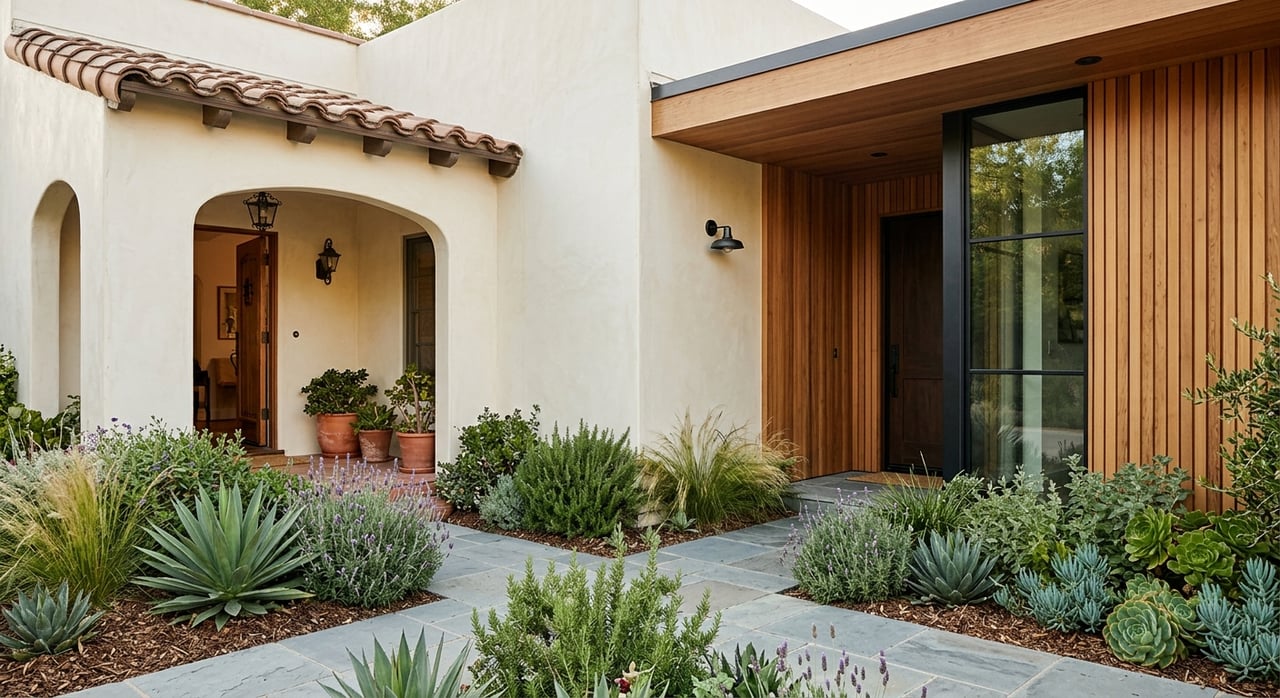
Eagle Rock is known for a long-established housing stock that includes Craftsman, bungalow, and Spanish Colonial Revival homes. Many buyers are drawn to that character. If your home has original trim, built-ins, period tile, or wood floors, the goal is often to refresh those details, not replace them with generic finishes.
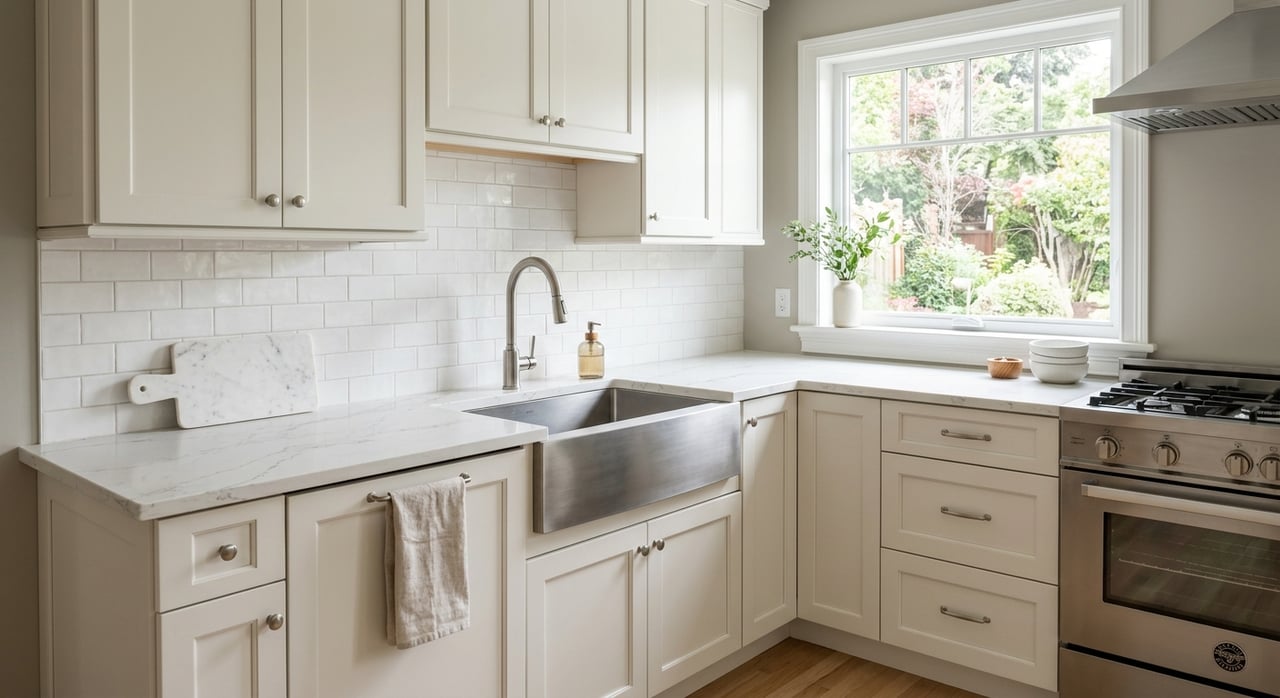
The cosmetic updates that usually help most are also the simplest. Fresh paint, improved lighting, decluttering, cleaned-up landscaping, and staging can make a strong difference without adding unnecessary complexity. Better digital presentation can also improve how your home performs once it goes live.
Plan for disclosures early
California disclosure prep matters
For most California residential sales, sellers provide a Transfer Disclosure Statement before title transfer. That form covers the property’s condition and hazards. Preparing for that disclosure early often makes the listing process smoother and helps you avoid last-minute surprises.
Sellers also provide a Natural Hazard Disclosure Statement. Under California law, this can include flood areas, high and very high fire hazard severity zones, wildland fire areas, earthquake fault zones, and seismic hazard zones. These are not minor details, especially in a neighborhood where some parcels may be affected by hillside and fire-risk considerations.
Fire-zone questions can affect pricing
Parts of Eagle Rock fall within the City’s Very High Fire Hazard Severity Zone coverage. If your parcel is in or near one of these mapped areas, buyers may look closely at hazard disclosures, insurance questions, and brush-clearance compliance. That does not automatically reduce value, but it can shape how buyers evaluate risk and readiness.
California law also notes that if a hazard map is not precise enough for a reasonable parcel-level determination, the answer may need to be marked yes. That is one reason parcel-specific verification matters. For hillside or brush-adjacent properties, details matter.
Brush clearance should not wait
For brush-adjacent lots, the Los Angeles Fire Department says brush clearance is a year-round responsibility. The City also applies stricter brush-clearance rules in Very High Fire Hazard Severity Zones. If your home may be affected, it is smart to verify compliance before listing rather than letting a buyer discover an issue later.
This is one of those behind-the-scenes prep steps that can support a smoother sale. It also signals that the home has been responsibly maintained. In a competitive market, buyer confidence is part of the product.
Older homes may need lead disclosure
Because much of Eagle Rock’s housing stock predates 1978, lead-based paint disclosure may be required for some homes. Federal law requires disclosure before sale for qualifying properties built before that year. If older paint has been disturbed during updates, lead-safe renovation practices also matter.
This is another reason to gather records early if you have completed work over time. Buyers do not expect perfection in an older home, but they do expect clarity. Good documentation helps create that clarity.
Time your launch with intention
If your timing is flexible, spring is often the strongest window to list in Los Angeles. Research cited in the report shows spring tends to bring the strongest premiums, with additional national data pointing to late March through mid-May as a favorable listing window. Realtor.com’s 2026 report also identified the week of April 12 through 18 as the best week to list.
That said, timing only helps if your home is ready. Zillow’s Los Angeles metro snapshot showed that homes going pending within seven days sold above list much more often than the average listing, with 56.1% of fast-selling homes selling above list compared with 32.3% of all homes. The takeaway is simple: the early market response matters.
Many sellers need a month or less to get ready, but a more comfortable plan is often four to six weeks before your target list date. That gives you room to repair visible issues, gather records, complete disclosures, stage thoughtfully, and schedule photography only after the home feels complete. Rushing the launch can undercut the very premium you are trying to capture.
Build a practical Eagle Rock launch plan
A strong listing launch usually starts with a simple sequence:
- Review recent sold comps in your exact micro-area
- Price based on location, condition, lot type, and marketability
- Repair visible defects before photos and showings
- Gather permit records, receipts, and service documentation
- Prepare the Transfer Disclosure Statement, Natural Hazard Disclosure Statement, and any needed lead disclosure package
- Verify parcel-specific hazard questions and brush-clearance status if applicable
- Stage, photograph, and launch only when the home looks fully ready
This kind of preparation is rarely flashy, but it is effective. It helps your home make a stronger first impression, reduces buyer uncertainty, and supports cleaner negotiations once offers start coming in.
Selling in Eagle Rock is not just about square footage and finishes. It is also about reading the right comps, understanding how topography and hazard questions affect buyer perception, and making sure your home feels complete the moment it reaches the market. With thoughtful preparation and a grounded pricing strategy, you give yourself the best chance to attract serious buyers and protect your leverage.
If you are getting ready to sell and want calm, strategic guidance tailored to your home and timeline, Tracey Kardash can help you build a smart plan from pricing through launch.
FAQs
How should you price an Eagle Rock home to sell?
- The best approach is to use recent sold comps in your immediate micro-area and adjust for condition, lot type, topography, parking, views, and permit history rather than relying on broad Northeast LA averages.
What repairs matter most before listing an Eagle Rock home?
- Focus first on visible issues like roof leaks, drainage problems, water intrusion, damaged stucco or siding, cracked glass, unsafe stairs or railings, and obvious plumbing, electrical, or HVAC concerns.
Do hillside properties in Eagle Rock need extra prep before sale?
- Yes, hillside homes may raise more buyer questions about lot usability, grading, retaining walls, decks, drainage, and permit records, so it helps to organize documentation before listing.
What disclosures are common when selling a home in Eagle Rock, California?
- California sellers generally prepare a Transfer Disclosure Statement and a Natural Hazard Disclosure Statement, and some older homes may also require lead-based paint disclosure if they were built before 1978.
Can fire hazard zones affect an Eagle Rock home sale?
- Yes, parts of Eagle Rock fall within Very High Fire Hazard Severity Zone coverage, so parcel-specific hazard verification, insurance-related buyer questions, and brush-clearance compliance can become important during a sale.
When is the best time to list a home in Eagle Rock?
- If your timing is flexible, spring is often the strongest season in Los Angeles, but the bigger factor is launching only after the home is fully repaired, documented, staged, and ready for market.